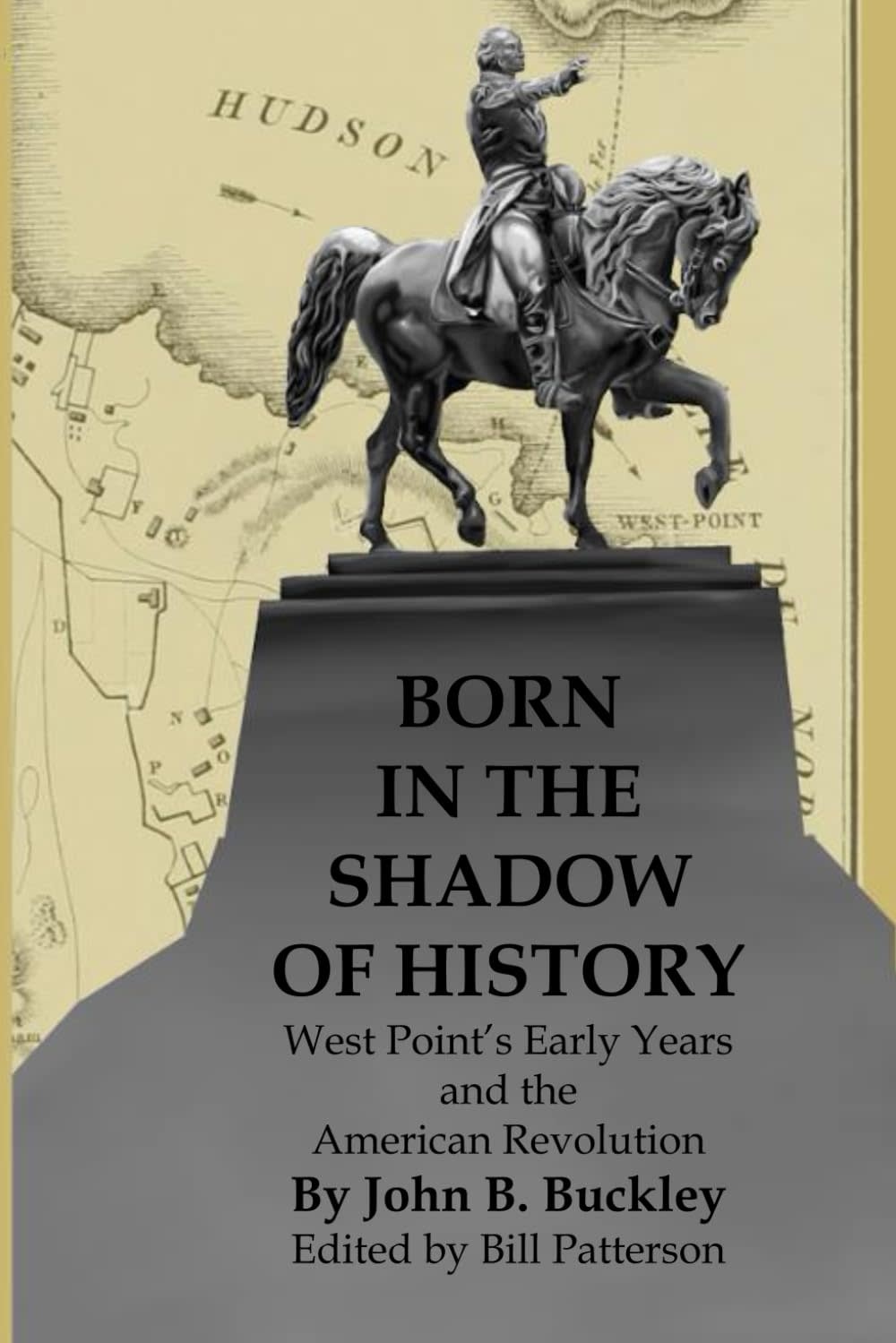
General George Washington, Commander of the Continental Army, famously called West Point “the key to the continent”. Why did he and the British think that this remote position in the Hudson Highlands was so important?
This book illustrates how the forces of nature and history ordained the location and function of that fortress on the river. We start with a look at how the land itself was molded at the dawn of time. Brief stops in the march of history give us glimpses into the lives of the region’s original inhabitants and the early European settlers who encroached upon their land. But, West Point was born of war, so that is where we focus most of our attention. War on a large scale came when the colonists, who now called themselves “Americans”, sought to free themselves from what many saw as the oppressive yoke of a distant Crown.
We most closely examine the battles and the movements of armies and key influencers in the Hudson Highlands, but also look at some of the other battles that drove the direction of the war, especially the climatic engagement at Yorktown. We pay particular attention to Benedict Arnold, whose story is intimately bound to the fate of West Point.
As the fighting winds down, the thoughts of America’s new leaders never stray far from the absolute need for a military academy to free the young nation from its dependency on Europeans for their expertise. Finally, we see the academy take shape and witness its fitful growth until it takes its true form under the leadership of Sylvanus Thayer.